
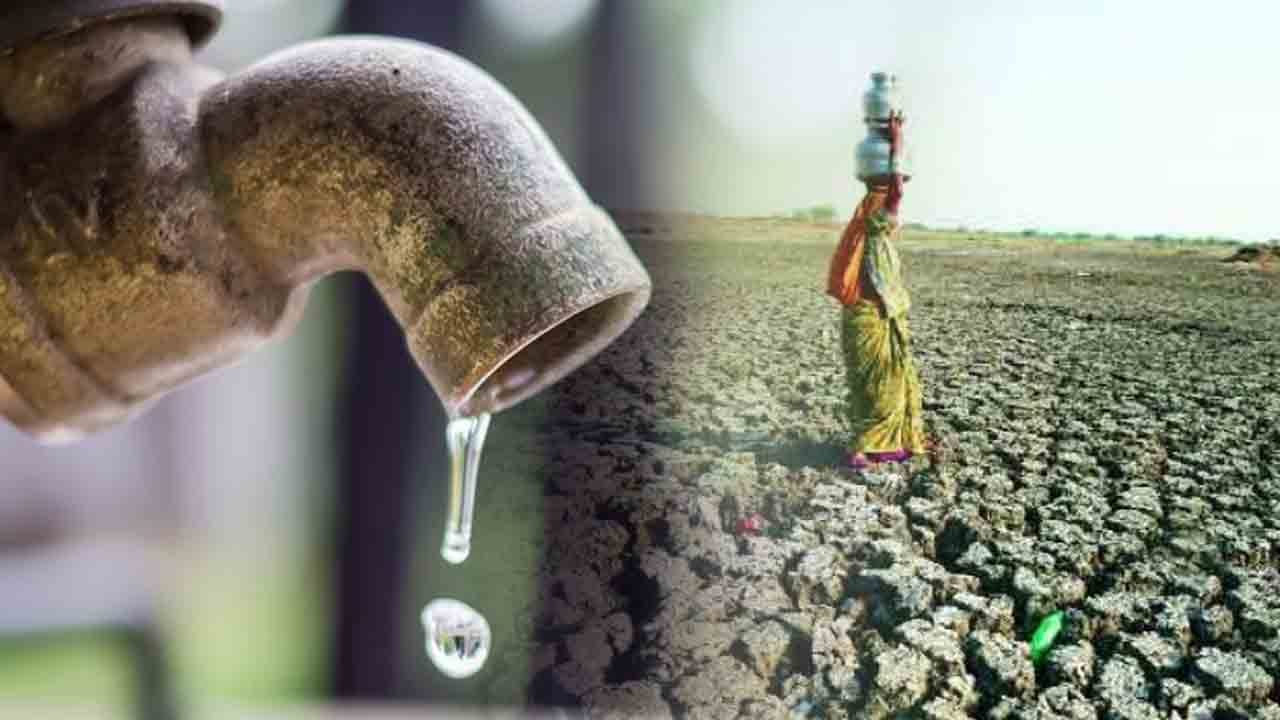
India is currently grappling with a deepening water crisis that poses significant challenges to its socio-economic development and environmental sustainability. With nearly 18% of the world’s population relying on just 4% of its freshwater resources, the demand-supply imbalance is both alarming and unsustainable.
Root Causes of the Crisis
At the heart of India’s water crisis is the unsustainable extraction of groundwater. Agriculture, which consumes over 80% of the country’s freshwater, relies heavily on groundwater through borewells, especially in states like Punjab, Haryana, and Uttar Pradesh. This has led to rapidly declining water tables, with some regions witnessing annual drops of over a meter.
Inefficient water management practices further exacerbate the situation. Traditional flood irrigation methods, aging infrastructure, and limited wastewater treatment contribute to significant water loss and contamination. Additionally, surface water bodies are increasingly polluted due to untreated sewage, industrial effluents, and plastic waste, rendering them unfit for consumption or agriculture.
The impact of climate change is also evident. Erratic rainfall patterns, prolonged droughts, and extreme weather events are placing additional pressure on already-stressed water systems. Rapid urbanization and population growth are straining municipal water supplies and reducing per capita water availability, particularly in major cities such as Chennai, Bengaluru, and Delhi.
Consequences Across Sectors
The ramifications of the water crisis are wide-ranging. The agricultural sector is particularly vulnerable, as water scarcity leads to reduced yields, crop failure, and economic distress among farmers. This contributes to food insecurity and rural migration.
From a public health perspective, inadequate access to clean drinking water has led to the rise of waterborne diseases such as cholera and dysentery, disproportionately affecting children and low-income communities.
The economic implications are equally significant. The World Bank estimates that water scarcity could cost India up to 6% of its GDP by 2050. Industries reliant on water such as textiles, pharmaceuticals, and food processing face operational challenges and increased costs.
Furthermore, water disputes between states, such as those over the Cauvery and Yamuna rivers, are becoming more frequent, reflecting rising socio-political tensions over resource allocation.
Strategies for Sustainable Water Management
Addressing India’s water crisis requires a multi-dimensional approach. First, the promotion of water-efficient technologies such as drip and sprinkler irrigation can significantly reduce agricultural water consumption. Rainwater harvesting, particularly in urban and semi-urban areas, must be encouraged and mainstreamed through a combination of incentives and regulatory support. Additionally, the treatment and reuse of wastewater for industrial and other non-potable applications should be expanded to alleviate the burden on freshwater sources. The restoration of traditional water bodies and groundwater recharge structures is also critical to building long-term resilience. Most importantly, a robust policy framework grounded in integrated water resource management, inter-state cooperation, and active public participation is essential to ensuring sustainable water governance.










Leave a comment