
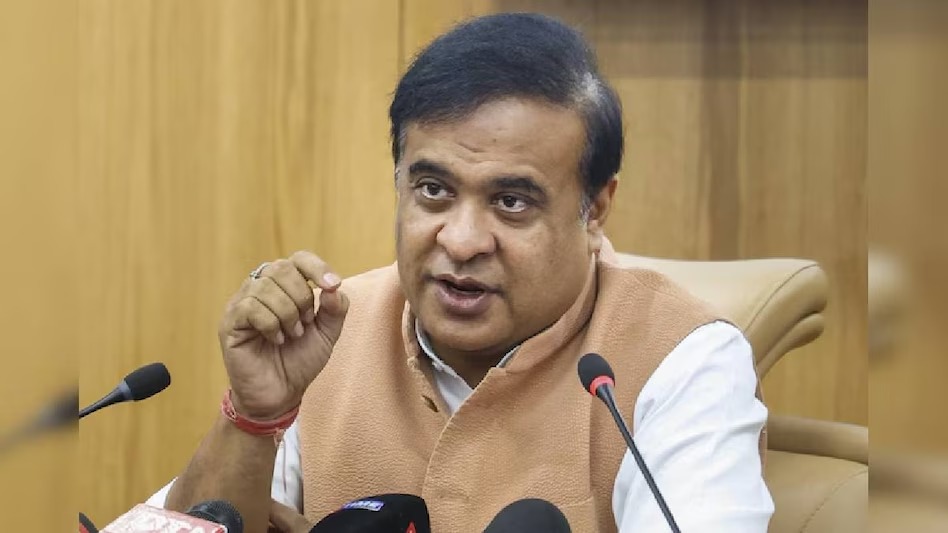
GUWAHATI — Assam Chief Minister Himanta Biswa Sarma has ignited a fresh political firestorm by declaring that approximately four to five lakh “Miya” (Bengali-speaking Muslim) votes will be removed from the state’s electoral rolls under the upcoming Special Intensive Revision (SIR).
Speaking to the media on Tuesday during a seed-capital distribution event for the Mukhyamantri Mahila Udyamita Abhiyaan (MMUA) in Digboi, the Chief Minister framed the move as a necessary measure to protect the demographic integrity of Upper Assam.
Key Highlights of the CM’s Statement
- Voter Deletion: Sarma asserted that “arrangements” are already in place to prevent specific groups from voting, claiming the removal of 400,000 to 500,000 votes is inevitable once the SIR begins.
- Demographic Shift: He alleged rapid changes in districts like Tinsukia, Duliajan, and Digboi, citing recent land transaction records where “Hindus sold more and Miya Muslims bought more.”
- Hardline Stance: Dismissing criticism from the opposition, Sarma stated, “Let Congress abuse me… My job is to make the Miya people suffer. If they don’t suffer, they will come even to Duliajan.”
What is the Special Intensive Revision (SIR)?
The Special Intensive Revision is a rigorous voter-verification process conducted by the Election Commission of India (ECI). Unlike routine annual updates, SIR involves:
- House-to-house enumeration to verify every existing elector.
- Document verification to weed out ineligible or “doubtful” voters.
- Strict physical verification by Booth Level Officers (BLOs).
While SIR has been rolled out in other states, its implementation in Assam has been a point of contention due to the pending notification of the National Register of Citizens (NRC). Sarma noted that while current efforts are in a “preliminary stage,” the full SIR will be the final tool to “sanitize” the electoral rolls.
Political Backlash
The remarks have drawn immediate condemnation from the Congress and other opposition parties, who accuse the Chief Minister of using state machinery for communal polarization ahead of the 2026 Assembly Elections.
Opposition leaders argue that the Chief Minister is overstepping his constitutional mandate by pre-determining the outcome of a process—voter list revision—that is legally under the jurisdiction of the Election Commission of India.
“The Chief Minister’s remarks are a direct threat to the democratic rights of citizens. An administrative exercise like voter revision cannot be turned into a tool for targeting a specific community,” a senior Congress leader stated.
Why it Matters
The debate over “Miya” identity and migration has long been a flashpoint in Assam politics. By linking land ownership and voter eligibility in Upper Assam—traditionally seen as the heartland of indigenous Assamese culture—Sarma is doubling down on a “protectionist” narrative that is likely to dominate the upcoming election cycle.








Leave a comment