
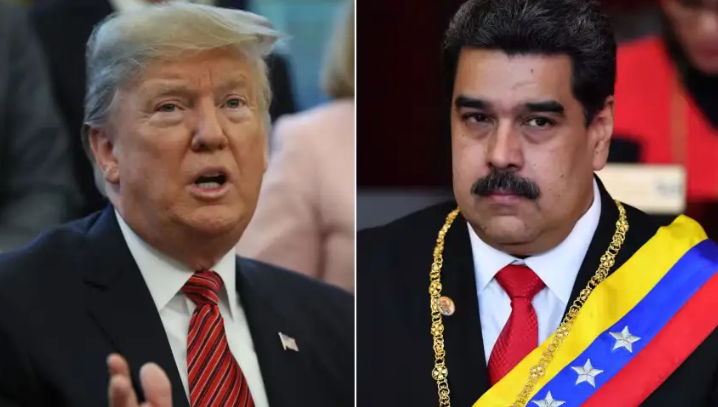
Washington’s role in the downfall of Venezuela’s strongman may be welcomed by many—but the method is unsettling allies and challenging the rules-based world order.
Donald Trump’s role in the removal of Nicolas Maduro from power in Venezuela marks a moment without modern precedent. The United States has a long history of attempting to influence or undermine governments it opposes, but the apparent abduction of a sitting head of state from a sovereign nation crosses a line that Washington once claimed to defend.
The precise details of Maduro’s removal remain unclear. Some reports suggest he was handed over by elements of his own security forces, allegedly turned by sustained American pressure. If true, the Trump administration may seek to frame the episode as an internally driven transfer of power, facilitated rather than directed by the United States. Yet few observers doubt that the outcome would have been impossible without the visible build-up of American military power and extensive behind-the-scenes involvement.
Whatever the method, the outcome brings to an end the rule of a leader widely regarded as illegitimate. Maduro presided over rigged elections, deep economic collapse, and widespread repression. Under his kleptocratic leadership, a resource-rich country was reduced to scarcity and despair, forcing roughly a quarter of Venezuela’s population to flee. Across Latin America, governments will publicly voice concern while privately welcoming the departure of a ruler whose instability spilled across their borders.
The reaction among America’s allies is more complicated. Many will be relieved to see Maduro gone, but deeply uneasy about how it was achieved. Nation states do not, under international law, send armed forces into other sovereign countries to seize their leaders. For decades, the United States portrayed itself as a guardian of the rules-based international order. This episode, critics argue, appears sharply at odds with that role.
In the coming days and weeks, the Trump administration will face intense scrutiny. It will need to demonstrate that Maduro’s removal does not signal a broader willingness to disregard international law whenever the outcome is politically convenient. Just as importantly, Washington must clarify on what legal basis—and under what jurisdiction—it intends to bring Maduro to justice.
Over the past year, America’s allies have grown increasingly alarmed by what they see as sustained damage to international norms under Donald Trump. They may welcome the end of Nicolás Maduro’s brutal rule. But many will remain uneasy, wondering whether the manner of his removal has opened the door to a more dangerous and lawless global order.










Leave a comment