
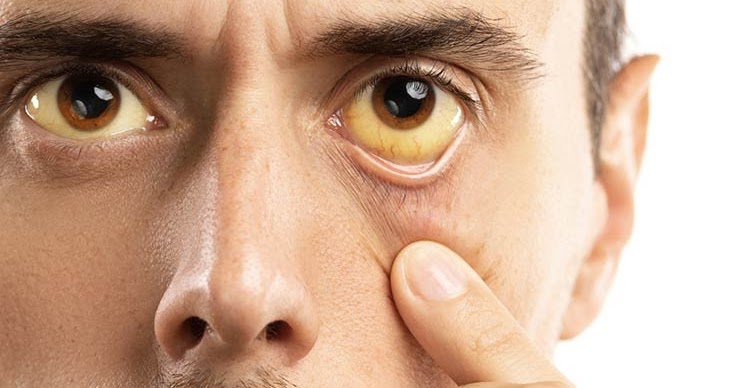
Jaundice is a medical condition where the skin, the whites of the eyes (sclera), and mucous membranes turn yellow due to a high level of bilirubin in the blood. Bilirubin is a yellow pigment that forms when old red blood cells are broken down.
What is Jaundice?
- Cause: It happens when the liver cannot process bilirubin efficiently, or when too much bilirubin is being produced, leading to its buildup in the body’s tissues.
- Sign: Jaundice is typically a symptom of an underlying problem, rather than a disease itself.
Core Recovery Principle: Hydration and Detoxification
The liver and kidneys work hard to eliminate bilirubin and other toxins. Proper hydration is non-negotiable for recovery.
- Plenty of Water: Drinking sufficient water helps the liver and kidneys flush out toxins, prevents dehydration, and aids in better digestion.
- Sugarcane Juice: This is a popular traditional remedy believed to help maintain proper glucose levels and strengthen the liver. Crucially, ensure it is freshly prepared under hygienic conditions to avoid introducing new infections.
- Lemon Water: Lemon is a natural source of antioxidants. A glass of warm water with a squeeze of fresh lemon juice in the morning is often recommended to help detoxify the liver.
Liver-Friendly Diet: Focus on Light, Fiber-Rich Foods
The goal of the jaundice diet is to reduce the burden on the liver, which struggles to metabolize fats and complex substances.
- Fresh Fruits and Vegetables: Load up on produce rich in antioxidants and fiber, which help the body limit liver damage and aid digestion.
- Cruciferous Vegetables: Broccoli, cauliflower, and spinach are highly beneficial.
- Fiber-Rich Foods: Oats, brown rice, whole grains, chickpeas, and almonds help move bile and bilirubin out of the liver.
- Citrus Fruits: Oranges, lemons, and limes provide Vitamin C and antioxidants.
- Lean Proteins: Choose easily digestible protein sources like tofu, legumes (lentils and beans), and lean cuts of fish/poultry (once your doctor permits). Avoid heavily processed or fatty meats.
- Small, Frequent Meals: Eating 4 to 6 smaller meals throughout the day, instead of three large, heavy meals, is easier on the digestive system and liver.














Leave a comment