
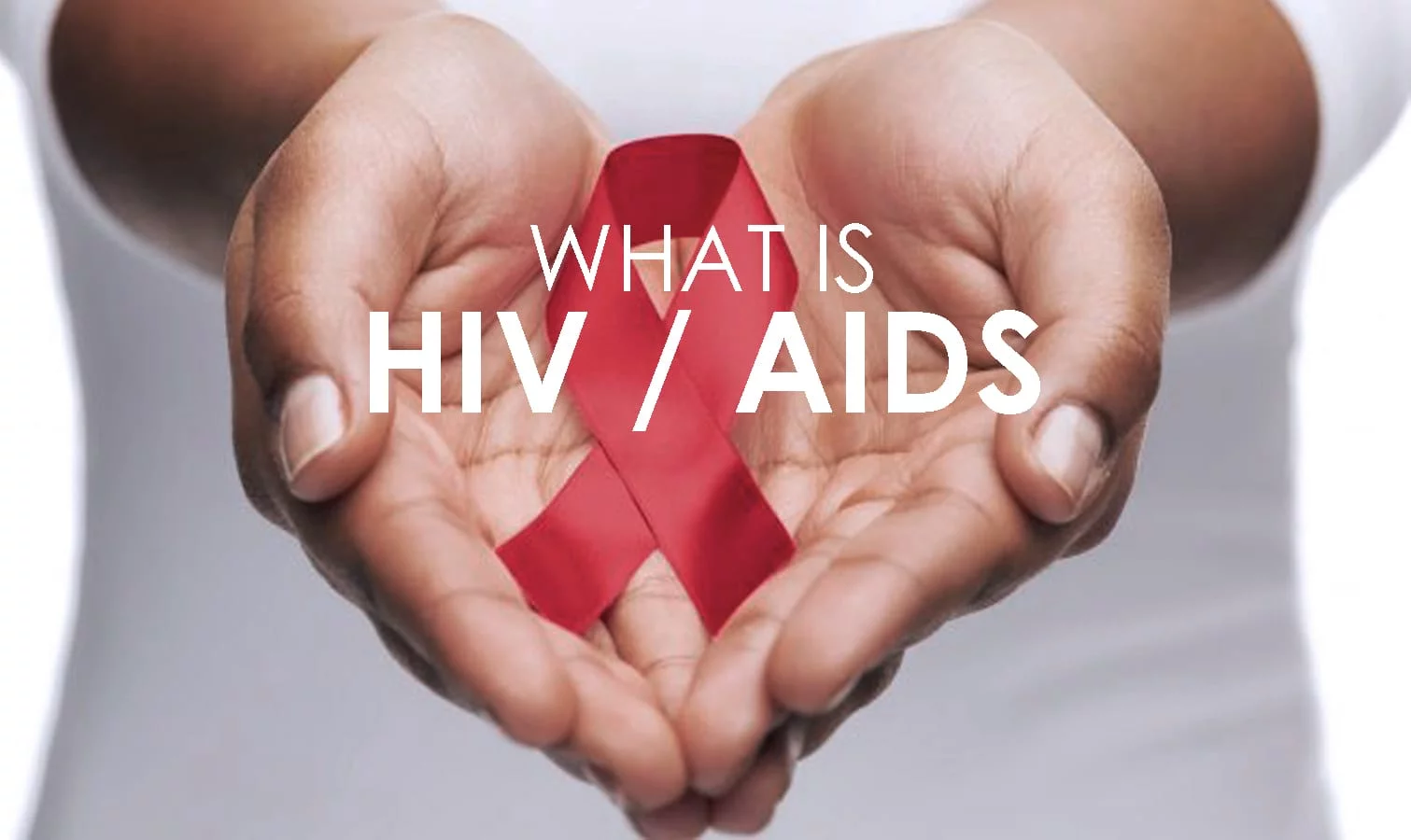
Acquired Immunodeficiency Syndrome (AIDS) is a long-term, chronic condition caused by the Human Immunodeficiency Virus (HIV). This virus gradually weakens the immune system, making it harder for the body to fight off infections and diseases. Without treatment, HIV can take several years to progress to AIDS. However, due to effective treatments, most people in the United States who have HIV do not go on to develop AIDS.
HIV is primarily transmitted through sexual contact, especially when protection such as condoms is not used, making it a sexually transmitted infection (STI). It can also spread through exposure to infected blood, commonly when needles or syringes are shared. In addition, an untreated HIV-positive person can pass the virus to their baby during pregnancy, childbirth, or breastfeeding.
While there is currently no cure for HIV/AIDS, antiviral medications can manage the virus effectively, helping to prevent the disease from advancing. These treatments have significantly reduced AIDS-related deaths worldwide. Efforts continue to expand access to HIV prevention and treatment, especially in low-resource settings.
Symptoms
The symptoms of HIV and AIDS can vary widely depending on the individual and the stage of the infection.
Early Stage – Primary or Acute HIV Infection
Shortly after being infected with HIV—typically within 2 to 4 weeks—some people develop symptoms similar to the flu. This initial phase, known as acute HIV infection, may last from a few days to several weeks. However, some individuals may not experience any noticeable symptoms during this time.
Common symptoms during this stage may include:
- Fever
- Headache
- Muscle and joint pain
- Skin rash
- Sore throat and mouth ulcers
- Swollen lymph nodes, especially in the neck
- Diarrhea
- Unexplained weight loss
- Persistent cough
- Night sweats
These early symptoms are often mild and may go unnoticed. Despite this, the viral load—or the amount of HIV in the bloodstream—is usually very high during this stage, making the infection more easily transmissible to others
Clinical Latent Infection (Chronic HIV)
During this phase, HIV remains active in the body, continuing to infect white blood cells, which are part of the immune system. However, many individuals do not experience any symptoms or related infections during this time.
For those not receiving antiretroviral therapy (ART), this stage can persist for several years without noticeable signs of illness. In some cases, though, the disease may progress more rapidly and become more severe much sooner.
Symptomatic HIV infection
As the virus continues to multiply and destroy immune cells, you may get mild infections or long-term symptoms such as:
- Fever.
- Fatigue.
- Swollen lymph glands, which are often one of the first symptoms of HIV infection.
- Diarrhea.
- Weight loss.
- Oral yeast infection, also called thrush.
- Shingles, also called herpes zoster.
- Pneumonia.
Progression to AIDS
Thanks to significant advances in antiviral treatments, deaths from AIDS have dropped dramatically around the world. In fact, with access to effective medications, most people living with HIV in the U.S. today do not develop AIDS. However, if HIV is left untreated, it typically progresses to AIDS within 8 to 10 years.
When a person reaches the AIDS stage, it means their immune system is severely weakened. As a result, they become much more vulnerable to certain illnesses that a healthy immune system would normally be able to fight off. These are known as opportunistic infections or opportunistic cancers. In some cases, such infections can even appear during the early (acute) phase of HIV.
Common symptoms of opportunistic infections may include:
- Night sweats
- Chills
- Recurring fevers
- Chronic diarrhea
- Swollen lymph nodes
- Persistent white patches or sores in the mouth or on the tongue
- Extreme tiredness
- General weakness
- Sudden and unexplained weight loss
- Skin rashes or unusual bumps
Causes of HIV
HIV is caused by the human immunodeficiency virus, which can be transmitted in several ways. The virus commonly spreads through:
- Unprotected sexual contact
- Sharing needles or other equipment to inject drugs
- Exposure to infected blood
- From parent to child during pregnancy, childbirth, or breastfeeding
Once inside the body, HIV targets and destroys a type of white blood cell known as CD4 T cells. These cells are essential for supporting the immune system in fighting off infections and illnesses. As the number of CD4 cells drops, the immune system becomes weaker, making the body more vulnerable to disease.
How does HIV become AIDS?
You can have an HIV infection with few or no symptoms for years before it turns into AIDS. AIDS is diagnosed when the CD4 T cell count falls below 200 or you have a complication you get only if you have AIDS, such as a serious infection or cancer.
How HIV spreads
1. Vaginal or anal sex with an infected partner.
2. Share needles to inject illicit drugs.
3. Blood transfusion.
4. Have a pregnancy, give birth or breastfeed.
Complications
- Wasting syndrome.
- Brain and nervous system, called neurological, complications.
- Kidney disease.
- Liver disease
Prevention
1. Consider preexposure prophylaxis, also called PrEP.
2. Use treatment as prevention, also called TasP.
3. Use post-exposure prophylaxis, also called PEP, if you’ve been exposed to HIV.
4. Use a new condom every time you have anal or vaginal sex
5. Tell your sexual partners you have HIV.
6. Use clean needles.
7. If you’re pregnant, get medical care right away.
8. Consider male circumcision.














Leave a comment